


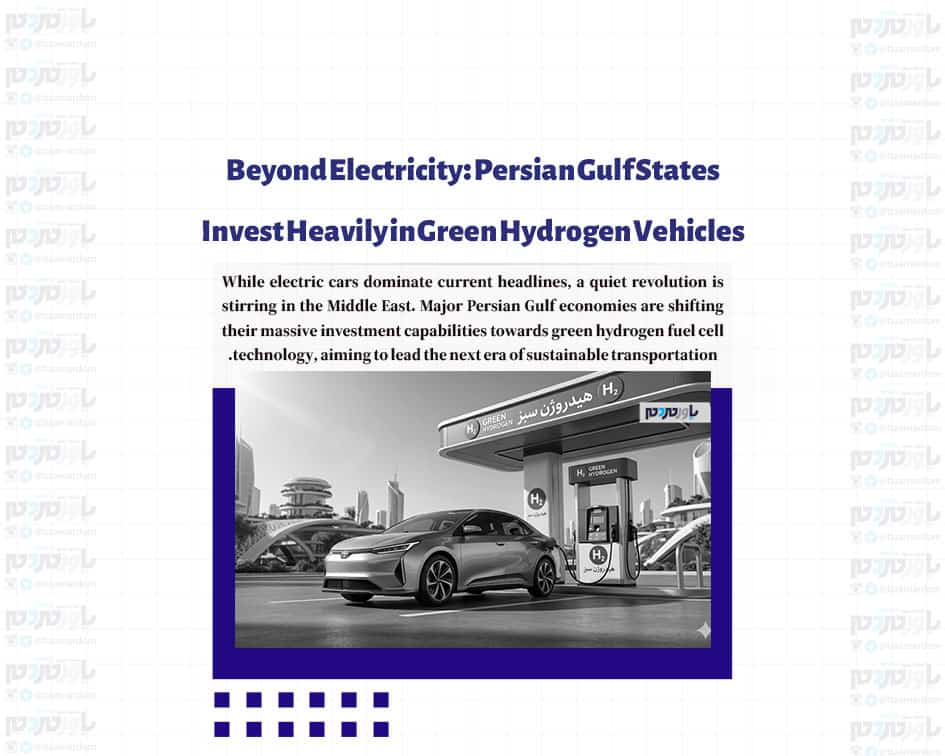
The global race for zero-emission transportation is taking an unexpected turn. For years, Battery Electric Vehicles (BEVs) have been the clear frontrunners. However, a significant strategic pivot is underway in the Persian Gulf. Nations like Saudi Arabia (with its NEOM project), the UAE, and Oman are allocating hundreds of billions of dollars to develop Green Hydrogen production and the necessary infrastructure for Fuel Cell Electric Vehicles (FCEVs).
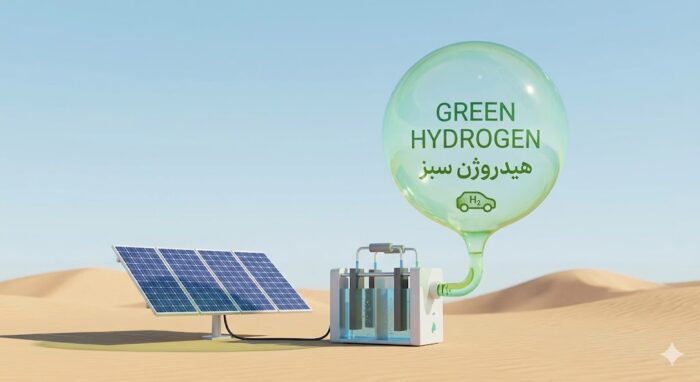
Green hydrogen is produced using renewable energy sources (like solar and wind) to split water, resulting in zero carbon emissions. For drivers, FCEVs offer two major advantages over BEVs: significantly longer driving ranges and refueling times comparable to gasoline cars (minutes, not hours).
This massive investment suggests that the future of mobility will not be a monolothic “electric only” scenario. Instead, we are likely to see a diversified landscape where hydrogen powers heavy transport, long-range logistics, and eventually, passenger cars, creating a powerful synergy with battery technology. The Gulf states, traditionally energy giants, are positioning themselves to remain dominant in the clean energy era.








ثبت دیدگاه